How to Read a Cannabis Lab Report (COA)
Cannabis lab reports can be confusing. This guide explains every section of a Certificate of Analysis — potency, terpenes, contaminants, and what to look for.
By Hightree Team for The Canopy
March 21, 2026 · 4 min read
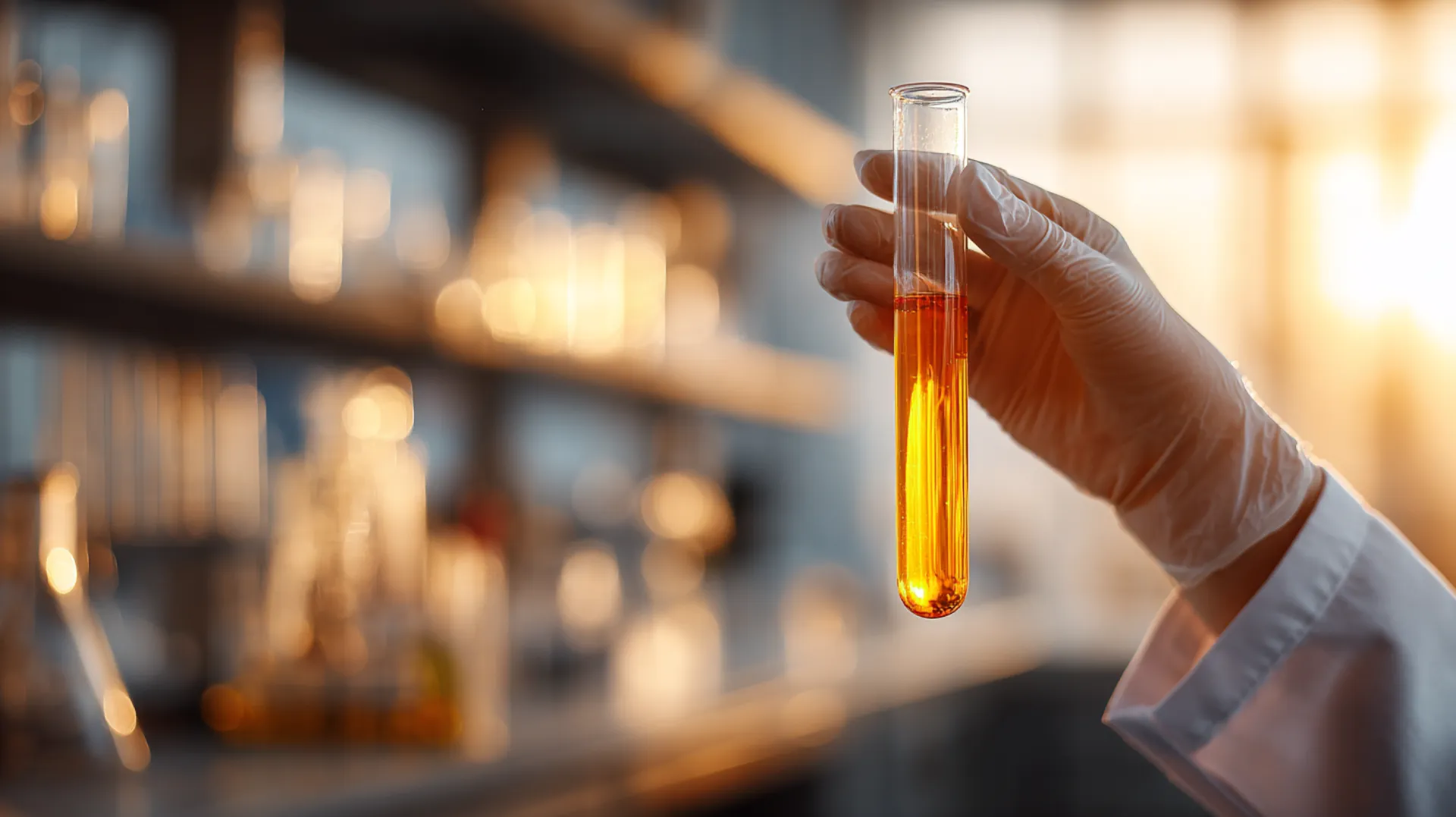
Scientist examining a test tube with amber liquid in warm laboratory light
Every legal cannabis product should come with a Certificate of Analysis (COA) — a lab report showing exactly what's in it. But most people have no idea how to read one.
This guide walks you through every section of a typical cannabis lab report so you can make informed purchasing decisions.
Why Lab Reports Matter
Lab reports exist for two reasons:
- Safety — confirming the product is free from pesticides, heavy metals, mold, and residual solvents
- Accuracy — verifying the THC/CBD percentages on the label match what's actually in the product
Without lab testing, you're trusting the label blindly. That's a risk no consumer should take.
Section 1: Product Information
At the top of every COA, you'll find:
- Sample name — the strain or product name
- Batch/lot number — which production run this came from
- Date tested — when the lab analyzed it
- Lab name and license — the testing facility
What to check: Make sure the product name and batch number match what you're buying. If the seller can't provide a COA that matches, that's a red flag.
Section 2: Cannabinoid Profile (Potency)
This is the section most people look at first. It shows the concentrations of:
- THC (Δ9-THC) — the primary psychoactive compound
- THCA — the acidic precursor to THC (converts when heated)
- CBD — the non-psychoactive compound associated with therapeutic benefits
- CBDA — the acidic precursor to CBD
- CBN, CBG, CBC — minor cannabinoids with their own effects
Understanding Total THC
The "total THC" calculation accounts for the conversion of THCA to THC during decarboxylation (heating):
Total THC = THC + (THCA × 0.877)
The 0.877 factor accounts for the molecular weight lost when THCA loses its carboxyl group. This number is what determines the actual potency you'll experience.
What the Numbers Mean
- Flower: 15–20% THC is moderate, 20–25% is strong, 25%+ is very potent
- Concentrates: typically 60–90% THC
- Edibles: measured in milligrams (5mg is a standard dose, 10mg is common)
Section 3: Terpene Profile
Terpenes are aromatic compounds that contribute to a strain's flavor, aroma, and effects. Common terpenes include:
| Terpene | Aroma | Common Effects |
|---|---|---|
| Myrcene | Earthy, musky | Relaxing, sedating |
| Limonene | Citrus | Uplifting, stress relief |
| Pinene | Pine | Alertness, memory retention |
| Linalool | Floral, lavender | Calming, anti-anxiety |
| Caryophyllene | Pepper, spicy | Anti-inflammatory |
What to check: The dominant terpene often predicts effects better than the indica/sativa label. High myrcene = likely sedating. High limonene = likely energizing.
Section 4: Contaminant Testing
This is the safety section. Labs test for:
Pesticides
Cannabis plants can absorb pesticides that are harmful when inhaled or ingested. The COA should show "ND" (not detected) or levels below the state's action limits for all tested pesticides.
Heavy Metals
Lead, arsenic, mercury, and cadmium can accumulate in cannabis plants from contaminated soil or water. All should be below action limits.
Microbial Contaminants
Labs test for mold, yeast, E. coli, and Salmonella. This is especially important for immunocompromised consumers.
Residual Solvents
For concentrates and extracts, labs verify that solvents used in extraction (butane, propane, ethanol) have been properly purged.
Mycotoxins
Toxins produced by certain mold species. These can survive processing that kills the mold itself.
What to check: Every contaminant category should show PASS. If any category shows FAIL or is missing, don't buy the product.
Section 5: Moisture Content
Flower should typically have 8–13% moisture content. Too dry and terpenes degrade. Too wet and mold risk increases.
Red Flags to Watch For
- No batch number — the COA might not match your product
- Old test date — labs test specific batches, not the strain in general
- Missing contaminant sections — a potency-only test isn't a full COA
- Unusually high THC — consistent 30%+ claims should be viewed skeptically
- Unknown lab — verify the lab is licensed in your state
How to Verify a COA
Most reputable labs allow you to verify results on their website using the batch number or a QR code on the COA. If you can't verify it independently, be cautious.
The Bottom Line
A COA is your best tool for making informed cannabis purchasing decisions. It takes five minutes to read and can save you from contaminated products, inaccurate labeling, or wasted money on low-quality cannabis.
When shopping on a marketplace like Hightree, look for vendors who proactively share lab reports. Transparency is the clearest signal of quality.
Cannabis Product Types Explained: Flower, Edibles, Concentrates, and More
From flower to vapes to tinctures — every cannabis product type explained. Learn how they're made, how they feel, and which one fits your lifestyle.
Your First Cannabis Purchase: A Complete Beginner's Guide
Buying cannabis for the first time can be intimidating. This guide covers everything you need to know — what to look for, what to avoid, and how to have a great experience.
Indica vs Sativa vs Hybrid: What's the Difference?
A complete guide to the three main cannabis types — indica, sativa, and hybrid. Learn how they differ in effects, appearance, and which one is right for you.