Indica vs Sativa vs Hybrid: What's the Difference?
A complete guide to the three main cannabis types — indica, sativa, and hybrid. Learn how they differ in effects, appearance, and which one is right for you.
By Hightree Team for The Canopy
March 22, 2026 · 3 min read
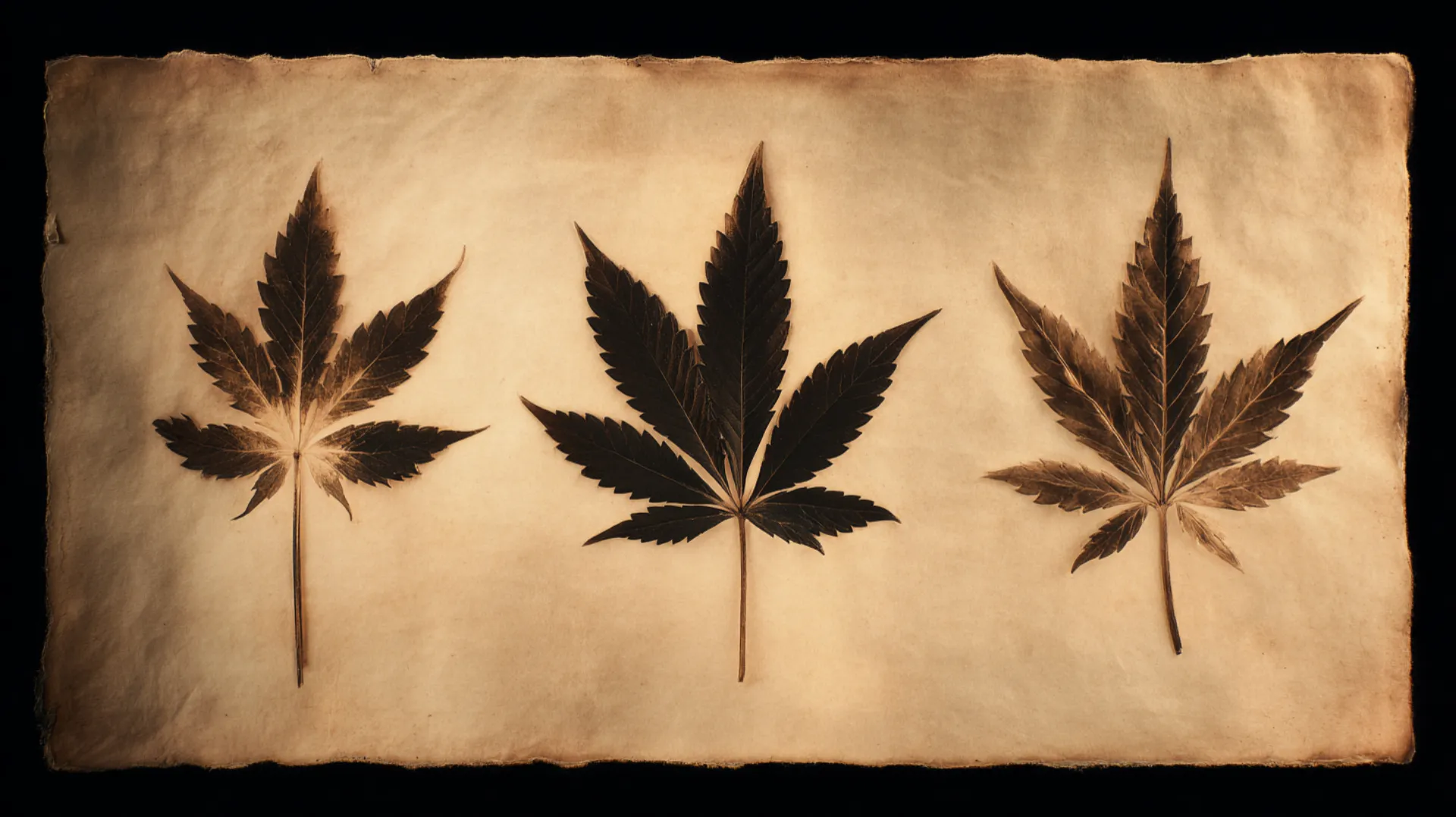
Three distinct cannabis plant leaf silhouettes in a botanical illustration style
If you've ever browsed a cannabis marketplace, you've seen the three labels everywhere: indica, sativa, and hybrid. But what do they actually mean? And does it even matter?
Let's break it down.
The Traditional Classification
Cannabis has been classified into two primary species for centuries:
Indica
Originally from the Hindu Kush mountain region, indica plants are typically:
- Short and bushy with wide, dark green leaves
- Faster flowering (6–8 weeks)
- Higher CBD-to-THC ratio compared to sativas
- Associated with relaxing, body-heavy effects
Indica strains are often recommended for evening use, pain management, and sleep support. Popular indica strains include Granddaddy Purple, Northern Lights, and Purple Kush.
Sativa
Native to equatorial regions like Southeast Asia and Central America, sativas are:
- Tall and thin with narrow, light green leaves
- Longer flowering (10–16 weeks)
- Higher THC-to-CBD ratio
- Associated with energizing, cerebral effects
Sativa strains are popular for daytime use, creative activities, and social situations. Well-known sativas include Sour Diesel, Jack Herer, and Green Crack.
Hybrid
Hybrids are crosses between indica and sativa plants. Most cannabis on the market today is technically hybrid — pure indicas and sativas are relatively rare.
Hybrids are often described as:
- Indica-dominant: leans toward relaxing effects
- Sativa-dominant: leans toward energizing effects
- Balanced (50/50): offers a mix of both
Popular hybrids include Blue Dream, Girl Scout Cookies, and OG Kush.
The Modern Science: It's More Complicated
Here's what researchers have learned: the indica/sativa distinction isn't as clear-cut as the industry suggests.
A 2015 study published in PLOS ONE analyzed over 80 cannabis strains and found no consistent genetic basis for the indica/sativa classification. A strain labeled "sativa" at one dispensary might be genetically closer to an "indica" from another.
What Actually Determines Effects?
The effects you feel are primarily driven by:
- Cannabinoid profile — the ratio of THC, CBD, CBN, CBG, and other cannabinoids
- Terpene profile — aromatic compounds like myrcene, limonene, pinene, and linalool
- Your individual biology — your endocannabinoid system, tolerance, metabolism, and mood
For example, myrcene (found in mangos and hops) tends to produce sedating effects, while limonene (found in citrus peels) tends to be uplifting. A "sativa" high in myrcene might feel more relaxing than an "indica" low in it.
How to Choose the Right Strain
Instead of relying solely on indica/sativa labels, try this:
1. Read the Lab Report
Look for the cannabinoid and terpene profile. A strain with high THC and dominant myrcene will likely be sedating regardless of its label.
2. Consider the THC:CBD Ratio
- High THC, low CBD: stronger psychoactive effects
- Balanced THC:CBD: milder, more balanced experience
- High CBD, low THC: minimal psychoactive effects, more therapeutic
3. Start Low, Go Slow
Especially with edibles or concentrates, begin with a low dose and wait to understand how a particular product affects you.
4. Ask Your Vendor
Reputable vendors can provide detailed information about their products, growing conditions, and expected effects. Look for vendors who publish full lab reports.
The Bottom Line
The indica/sativa/hybrid system isn't perfect, but it's a useful starting point. As the cannabis industry matures, expect more emphasis on cannabinoid and terpene profiles — the compounds that actually determine your experience.
The best approach? Try different strains, read lab reports, and pay attention to how specific products make you feel. Your body is the best guide.
Best Cannabis Strains for Sleep: A Science-Backed Guide
Struggling to sleep? These cannabis strains are known for their sedating effects. Learn which terpenes and cannabinoids promote deep, restful sleep.

CBD vs. THC: What's the Difference?
CBD and THC are the two most well-known cannabinoids, but they work very differently. Here's what sets them apart — effects, legality, and which one is right for you.
Best Cannabis Strains for Anxiety and Stress Relief
Anxiety is one of the top reasons people turn to cannabis. But the wrong strain can make it worse. Here are the best strains for calm without the panic.